
For FBOs and hangar operators
FBO & hangarkeepers insurance for aircraft in your care.
When your team moves, stores, fuels or services a customer's aircraft, the details of the operation matter. Start with the aircraft, the work and the agreements behind it.
From the ramp to the hangar, one business name can describe many different exposures.
Begin with a distinction
The hangar and the aircraft inside are different insurance questions.
A building you own or lease, your equipment, and a customer's aircraft on your ramp or in your hangar may call for different policy sections. The first step is identifying what belongs to whom and when your team is responsible for it.
Your buildings and property
Review the hangar, improvements, tools, ground equipment and property you own or are required to insure under a lease. The location and contract help frame that review.
Customer aircraft in your care
Hangarkeepers liability is a separate discussion about legal liability for damage to a customer's aircraft in your care, custody or control. The actual policy wording determines its scope.
Follow the aircraft
Where does your responsibility begin and end?
Select a stage to see the questions that make an FBO review more precise.
The handoff and coverage terms must be checked against your contracts and the insurer's actual policy.
Beyond the hangar door
Services change the coverage conversation.
An FBO may offer several services at one airport. Describe each one so the review is grounded in the actual work, not a catchall label.
Premises and ramp activity
Account for visitors, aircraft parking, ground support and the airside areas your team uses.
Fueling, servicing and completed work
Explain which tasks are performed, by whom, and whether products or completed-operations terms need review.
Leases and customer agreements
Bring required limits, additional insured requests, certificates and hold-harmless wording into the same conversation.
The value behind the question
How many aircraft, and how much value, can be in one place?
One high-value aircraft and a full hangar create different limit questions. Estimate both the highest value of a single customer aircraft and the largest total value that could be present at once, including aircraft parked outside.
These figures are a starting point for discussion. Any limit, deductible or coverage recommendation belongs in the proposed policy review.
See what to bring to the review ↗THREE USEFUL ESTIMATES
Highest single aircraft value
What is the most valuable customer aircraft your team may hold?
Peak at one location
What is the combined aircraft value in one hangar or on one ramp at a busy time?
Other locations
Where else could customer aircraft be stored, parked or serviced?
As the operation grows
Adding a hangar, service or airport location?
Bring the change up before the new activity begins. A fresh operations description gives your insurance representative a chance to read the terms that would apply.
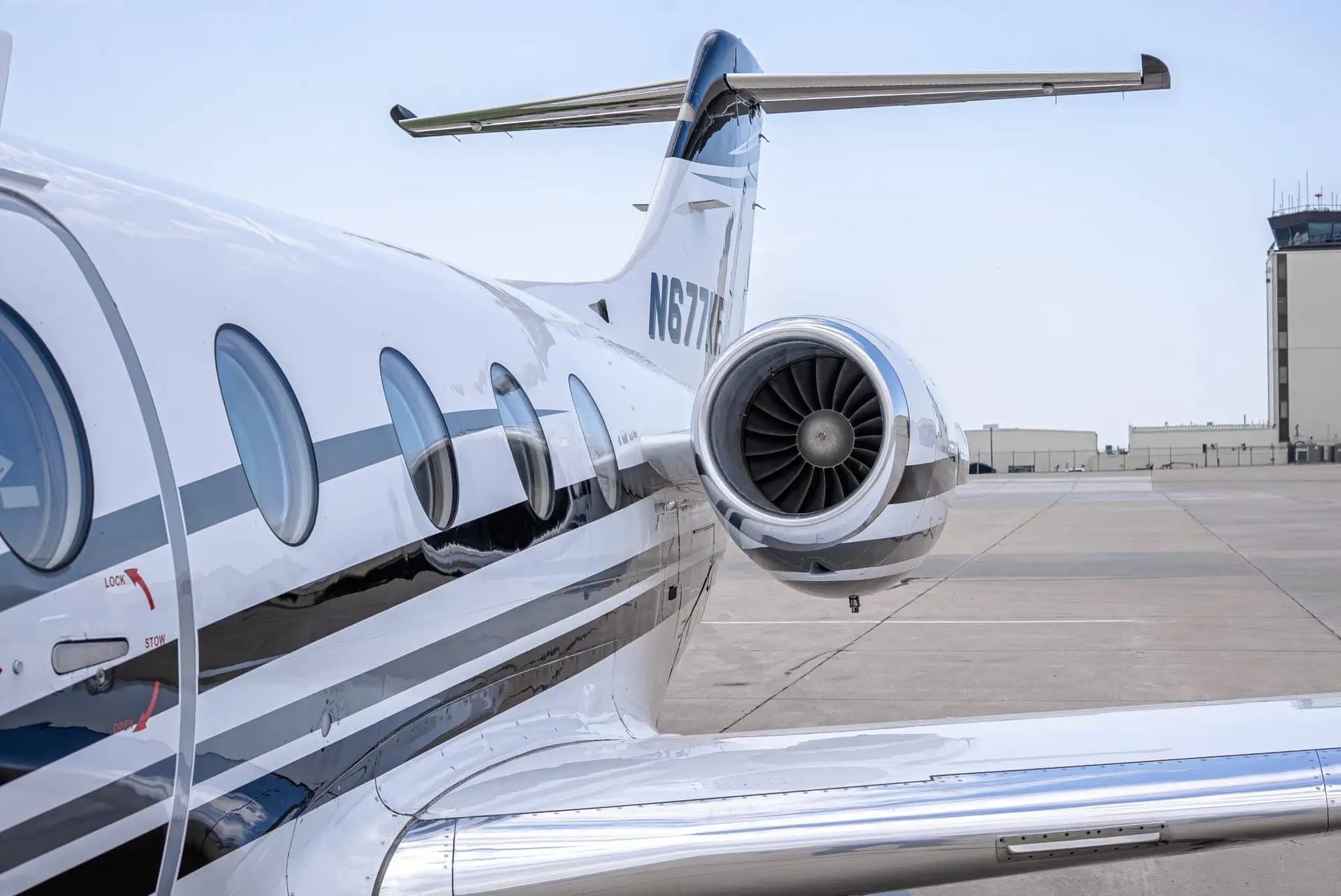
Good questions begin with the aircraft, location and services actually involved.
Prepare a useful brief
Bring the operation, not just the old policy.
A short description of your work lets the conversation move from generic coverage labels to the details of your FBO.
Sites and service mix
Airports, hangars, tie-downs, fueling, towing and any other services performed.
Aircraft exposure
Typical aircraft, highest single value, peak combined value and who may move them.
Documents and dates
Current declarations, lease provisions, customer forms and upcoming renewal dates.
Talk with Sky Aviation Insurance
Tell us how your FBO handles aircraft.
Call with your questions about hangar storage, ramp work, customer aircraft or a new agreement. You can also describe the basics here for a follow-up conversation.
813.753.8724 ↗A request or discussion does not bind coverage. Confirm terms and effective dates in writing with your insurance representative.
Questions worth asking
Clarify the wording before relying on the label.
These answers are starting points. The insurer's proposal and your actual agreements control the details.
Further reading
Prepare for a more precise review.
Primary insurer and industry materials behind the questions on this page.
GREAT AMERICAN / APPLICATION