
Flight school insurance
Flight school insurance for every stage of the lesson.
Your aircraft, instructors and students move through different kinds of flying in a single day. Let's review the operation as it really works, from dual instruction and first solo to rental after the lesson.
Start with the aircraft, the people flying them and the permissions that change with each flight.
The operation
One training aircraft can have four different uses.
A policy review starts with what happens on the ramp and in the cockpit. Tell us which of these activities actually happen at your school, and where your agreements draw the lines.
Dual instruction
Which instructors teach, whose aircraft they use and how their qualifications are approved.
Student solo
Who may fly alone, in which aircraft, and under what endorsements and school procedures.
Aircraft rental
Whether students or other pilots rent outside a lesson and what the rental agreement requires.
Other instruction
Customer-owned aircraft, advanced training or off-site work may need a different description.
Activities vary by school. The proposed terms and permissions should be checked against the actual insurer forms and operating agreements.
Choose your starting point
Are we reviewing a school or an independent instructor?
The aircraft relationship changes the first questions. Choose the operation that best describes you.
This is a routing aid, not a coverage determination. Sky's actual placement options must be confirmed.
Build the right picture
The airplane schedule is only the beginning.
Two schools with the same aircraft can have very different risk profiles. A useful review describes who flies, why they fly and which agreements control the aircraft.
Aircraft & ownership
Models, values, leased or customer-owned aircraft, and where each one is based.
Pilots & permissions
Staff and contract CFIs, approved pilots, student solo limits and any checkout rules.
How you teach
Part 61 or Part 141 training, ratings offered, discovery flights and locations.
Beyond the lesson
Rental agreements, aircraft use outside instruction, and contracts with owners or airports.
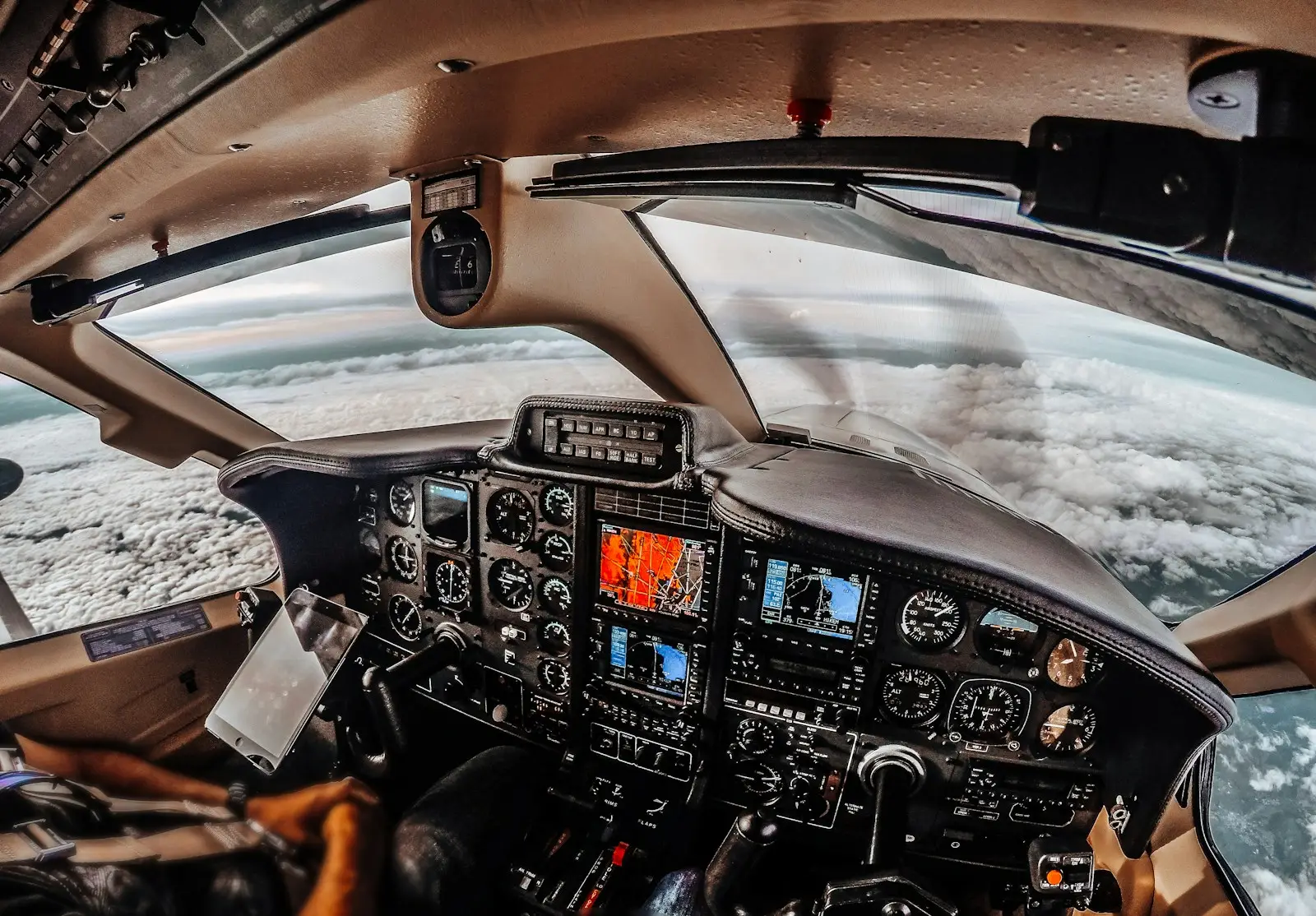
Review the real aircraft and the real permitted uses, not just a generic flight school label.
The coverage handoff
Who is protected when instruction changes hands?
We would look at the school's policy, any instructor or renter coverage, and the governing agreements together. The important question is who is insured for the activity in question under the actual wording.
What does the school's policy contemplate?
Check listed aircraft, authorized uses, named and approved pilots, student solo, rental and relevant limits or deductibles.
What changes for an employee or contract CFI?
Review instructor status, who owns the aircraft, any separate non-owned policy and whether instructional liability is addressed or excluded.
What responsibilities sit with the student or renter?
Read the rental or training agreement alongside the aircraft policy, including damage, deductible and liability provisions. A separate policy may be worth discussing.
A useful first conversation
Tell us how an ordinary training day actually works.
Start with a call. We can help organize the aircraft, people and uses that need to be presented accurately for an insurance review.
Prepare for a review
A short brief helps the conversation move.
You do not need a perfect packet before you call. These are the details that tend to clarify the school's operation and the questions for an insurer.
Changing your operation?
Mention planned aircraft additions, a new rental program, a second base or a new training course early so the review can reflect the intended use.
Aircraft schedule
Make, model, registration, value, ownership and base.
Pilot details
CFIs, contractors, qualifications and student solo rules.
Training activities
Courses, ratings, discovery flights, rental and locations.
Agreements
Training, rental, lease and customer-aircraft terms.
Current insurance
Declarations, key endorsements and recent claim history.
Timing
Renewal date and any upcoming operational change.
Start here
Let's talk through your school.
Call us first if timing is tight. Or use the short outline to frame a conversation about your aircraft and training activity.
813.753.8724 ↗A request or discussion does not bind coverage. Confirm terms and effective dates in writing with your insurance representative.
Common questions
Questions worth asking before a renewal.
Each answer turns on the actual operation and policy language. These prompts help identify where a closer look is useful.
Further reading
References behind the questions.
FAA and insurer materials that explain the training and policy distinctions raised here.
GLOBAL AEROSPACE / NON-OWNED